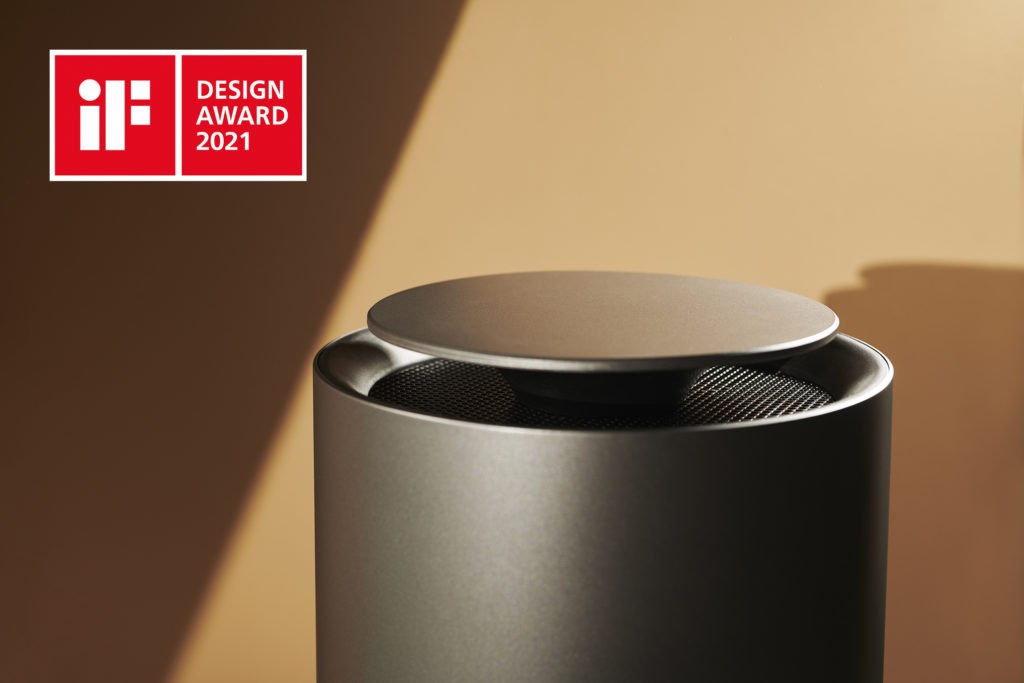
Last week, the winners of the iF Design Award 2021 were announced. With 9,509 entries, this was the largest iF jury meeting of all time. Under the supervision of an international jury, the design of Threesixty won an iF Design Award in the discipline 'Product Design'.
We want to congratulate all involved for their contribution to this great project!
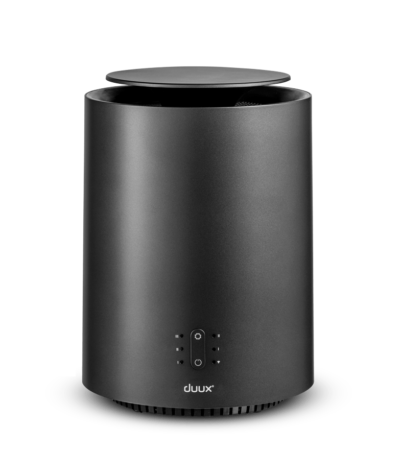
Threesixty
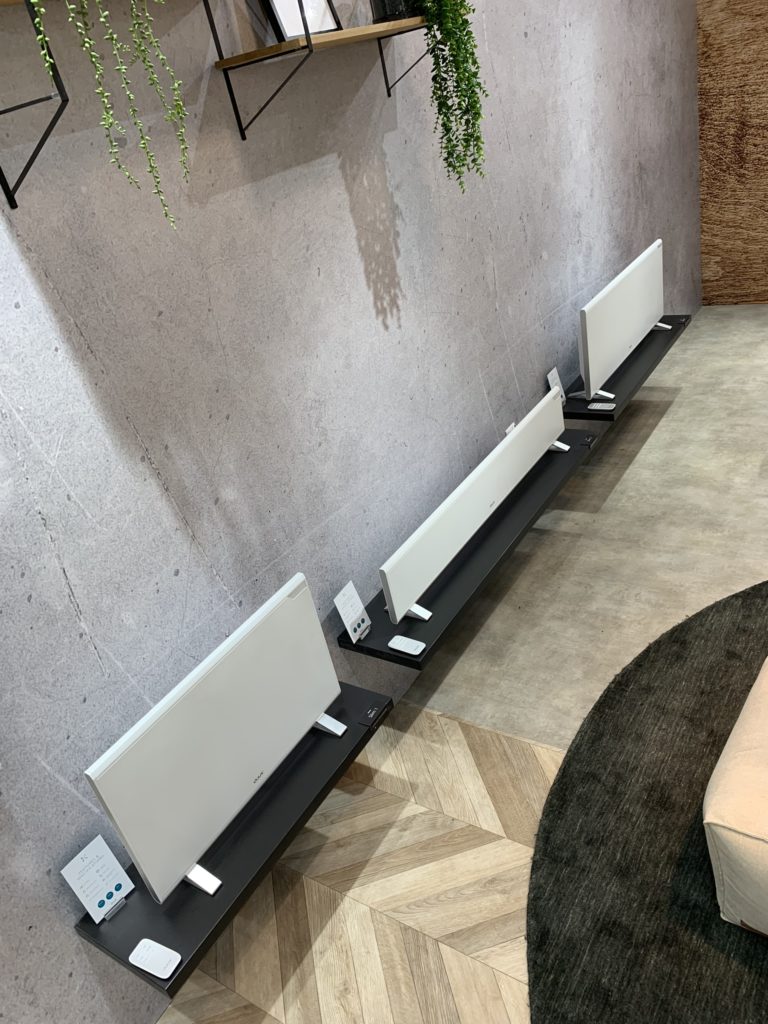
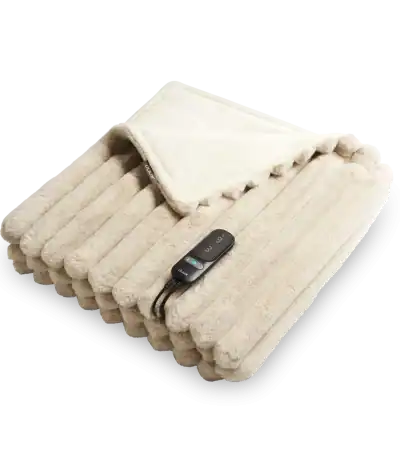
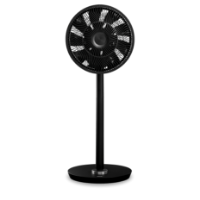
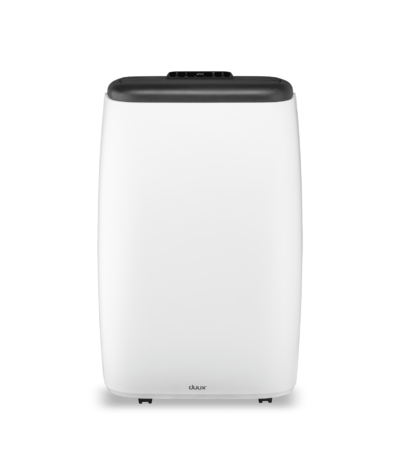
Warm yourself up with Threesixty - the perfect companion for cold winter days. This compact heater has a unique organic design and a capacity of 1,800 watts, making it much more powerful than you might expect. Thanks to its built-in fan, Threesixty speeds up the heating process in any room up to 30m², heating up twice as fast as conventional heaters! And with the free Duux app, operating this handy heater is a breeze
The annual iF Design Award was introduced in 1954 and is presented by the iF International Forum Design. The award recognizes design in seven different disciplines - product, packaging, communication, interior design, professional concept, service design and architecture.
Social geographer and pollster Maurice de Hond explained today in RTL Business Class what the effect of air humidity is on the spread of the Coronavirus. De Hond states that the relationship between the influenza virus and specific air humidity has been conclusively demonstrated and that this relationship also applies to the COVID-19 virus.
In literature he comes across two possible reasons why this is so:
The droplets that leave an infected person when sneezing, coughing or coughing stay suspended (much) longer in dry air than when the air is humid, according to Dr. A. Evangelista.
The influenza virus has (just like COVID-19) a so-called lipid envelope. Scientists reason that it is conceivable that this membrane is damaged by a lot of water in the air, which makes the virus harmless.
This applies to both outdoor and indoor use.
Watch the fragment of the broadcast of RTL Business Class in which De Hond explains his analysis at Harry Mens:
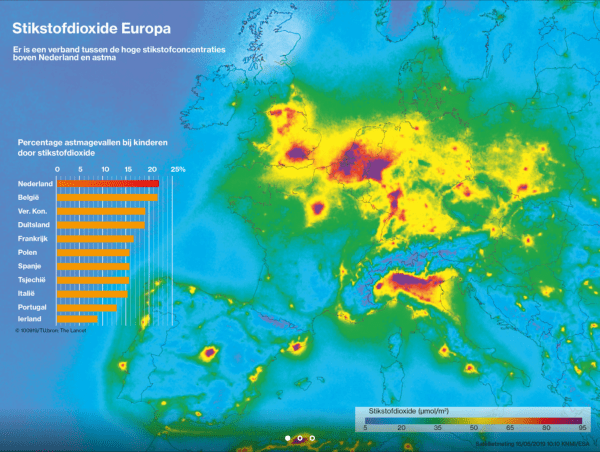
In one in five children with asthma in the Netherlands, the disease is related to air pollution from traffic. In no other European country is that number so high. In the big cities, exhaust fumes are held responsible for even more asthma cases among children.
https://www.youtube.com/embed/T-tAbSTvnw8
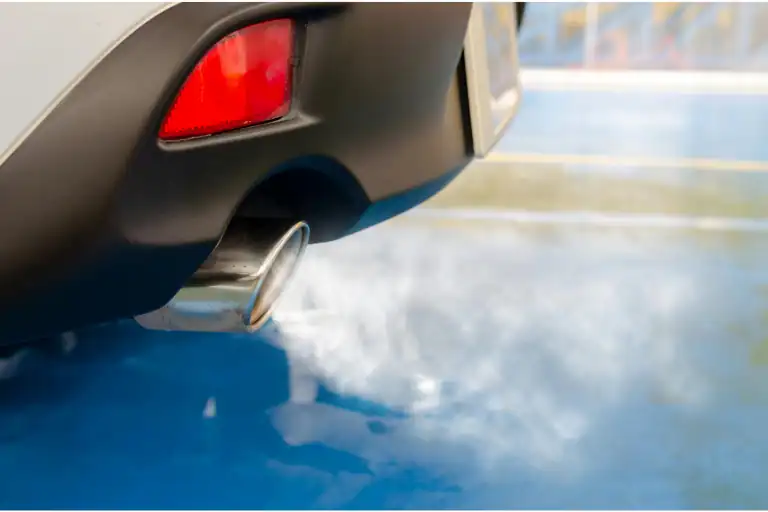
This is evident from research published in the renowned medical journal The Lancet. According to the scientists, the emission of nitrogen dioxide (NO2) is the main culprit for children with lung disease. This gas enters the air mainly through the exhausts of diesel cars and trucks.
In the Netherlands, asthma is the most common chronic disease among children. According to the Longfonds, approximately 100,000 children up to the age of fourteen have asthma. "Children are exposed to air pollution day in, day out. The government must do more to protect them from this," says director Michael Rutgers of the Longfonds, which today together with lung and pediatricians, healthcare providers and scientists is sounding the alarm.
Lung specialist Hans in 't Veld sees the consequences of air pollution every day in his surgery. "Nitrogen dioxide is really an assassin. You don't see it, you don't notice it, but it does cause inflammation in the airways. Asthma often occurs in childhood. I speak to children who get stuffy when they play sports, children who can't play outside on beautiful summer days and children who have such irritable airways that they don't know how to get through New Year's Eve. Clean air can prevent so much suffering."
"Nitrogen dioxide is really an insidious killer. You don't see it, you don't notice it, but it causes inflammation in the airways."
Pulmonologist Hans in 't Veld
Clean air chord
State Secretary Stientje van Veldhoven (Infrastructure and Water Management) is working on a Clean Air Agreement, with the aim of 'achieving fifty percent health gains by 2030 with a view to 2016'.
Although air pollution has roughly halved since 1990, 11,000 people still die each year in the Netherlands as a result. On average, Dutch people live nine months shorter due to air pollution, but the differences are large. The number of victims is greatest in the large cities, the Randstad conurbation, along busy roads and in the vicinity of livestock farms. There, life expectancy can be up to eighteen months, while in the cleanest areas of the Netherlands it is 'only' four months.
Moreover, some 1.2 million Dutch people suffer from lung disease. "Air pollution also affects the quality of life and has an impact on nature," Minister Van Veldhoven told the House of Representatives early this summer. in a letter Minister Van Veldhoven told the House of Representatives this summer. She pointed out that air pollution is, after smoking, the largest contributor to health care costs in the Netherlands.
The decline in the concentration of nitrogen dioxide in the air has stagnated in recent years. According to The National Institute of Public Health and the Environment (RIVM) the proportion of nitrogen dioxide in exhaust gases is actually increasing as a result of measures taken to reduce the amount of particulate matter. In addition, the roads in the Netherlands have become busier.
Call for quicker action against major polluters
The Lung Fund, lung specialists and scientists argue that schools, day-care centres and sports fields should not be located along motorways and that the big polluters should be tackled more quickly. They also point out that the intended health benefits can be achieved much sooner than 2030 with measures such as reducing the maximum speed on motorways and the introduction of a kilometre charge. "Our air simply can and must be cleaner," says director Michael Rutgers of the Long Fund. "The national government must take the lead in this."
"Our air can and must simply be cleaner. The national government must take the lead in this."
Michael Rutgers of the Lung Fund
The Lower House will debate the Clean Air Agreement on Thursday. Members of Parliament today receive a petition calling for more ambitious measures, which has been signed by, among others, the Lung Fund, the Heart Foundation and professional associations of lung physicians, cardiologists, paediatricians, general practitioners and lung nurses.
They point out that industry, livestock farming and wood-burning stoves, for example, are also major contributors to air pollution. The government cannot solve that problem alone, emphasizes lung specialist In 't Veld. "As consumers, with our cars and wood-burning stoves, we are all air polluters. The good news is that with that, we are also part of the solution."
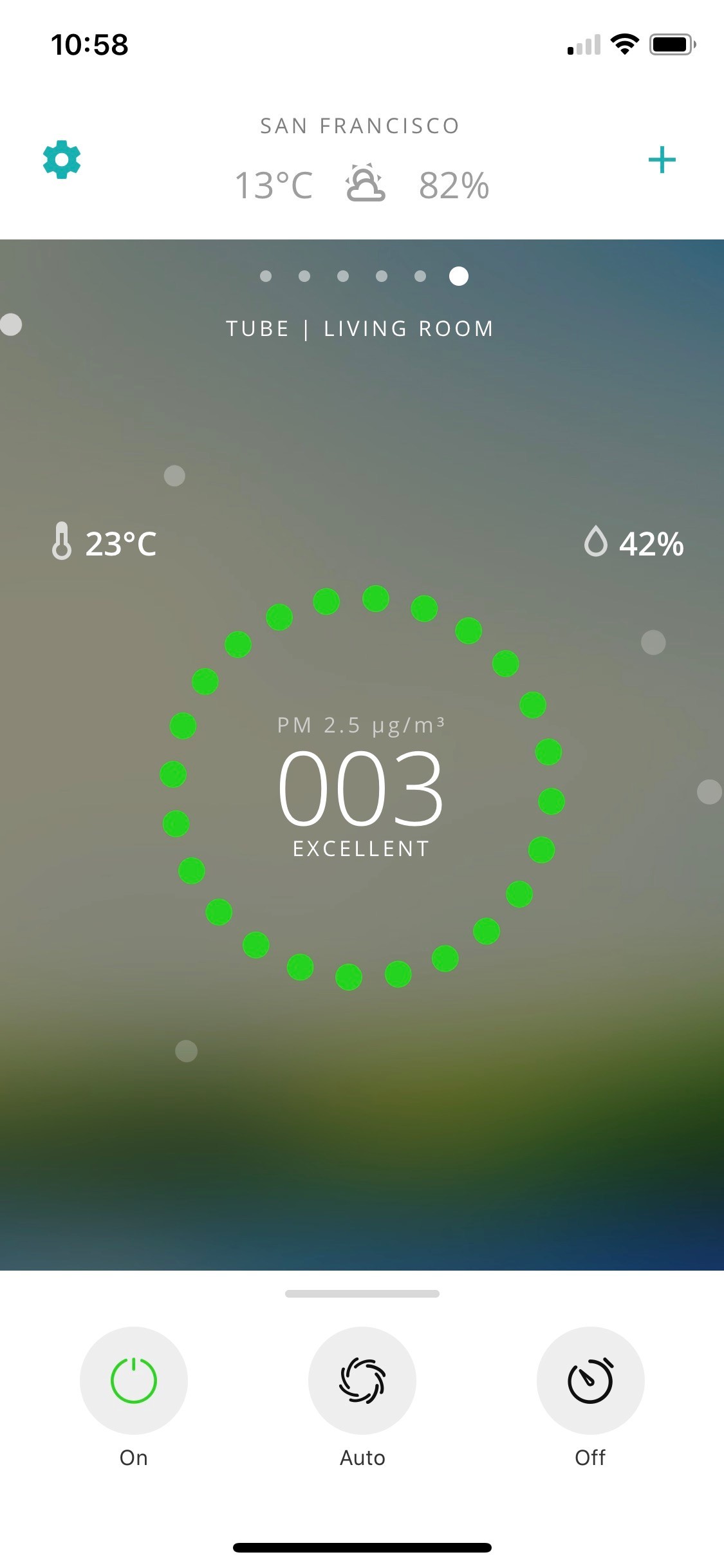
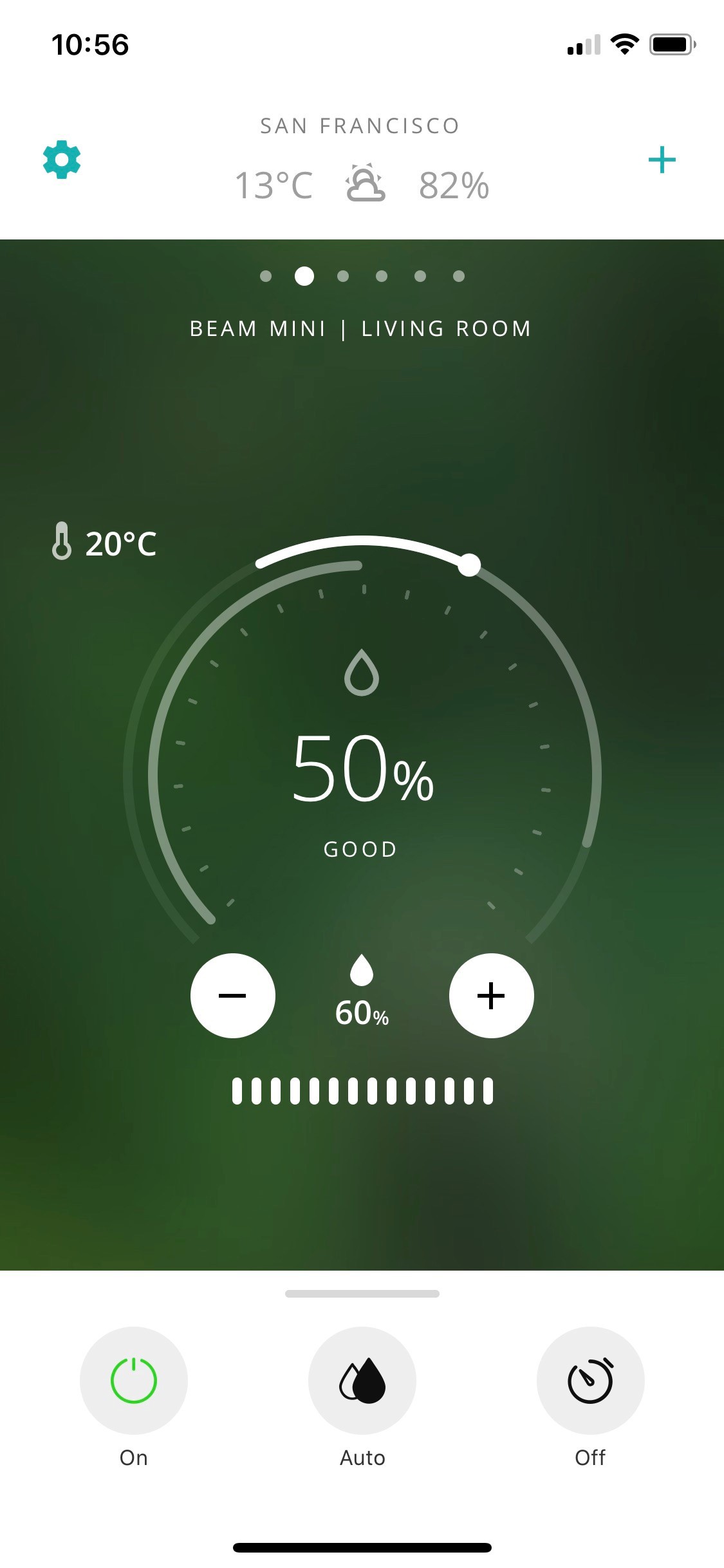
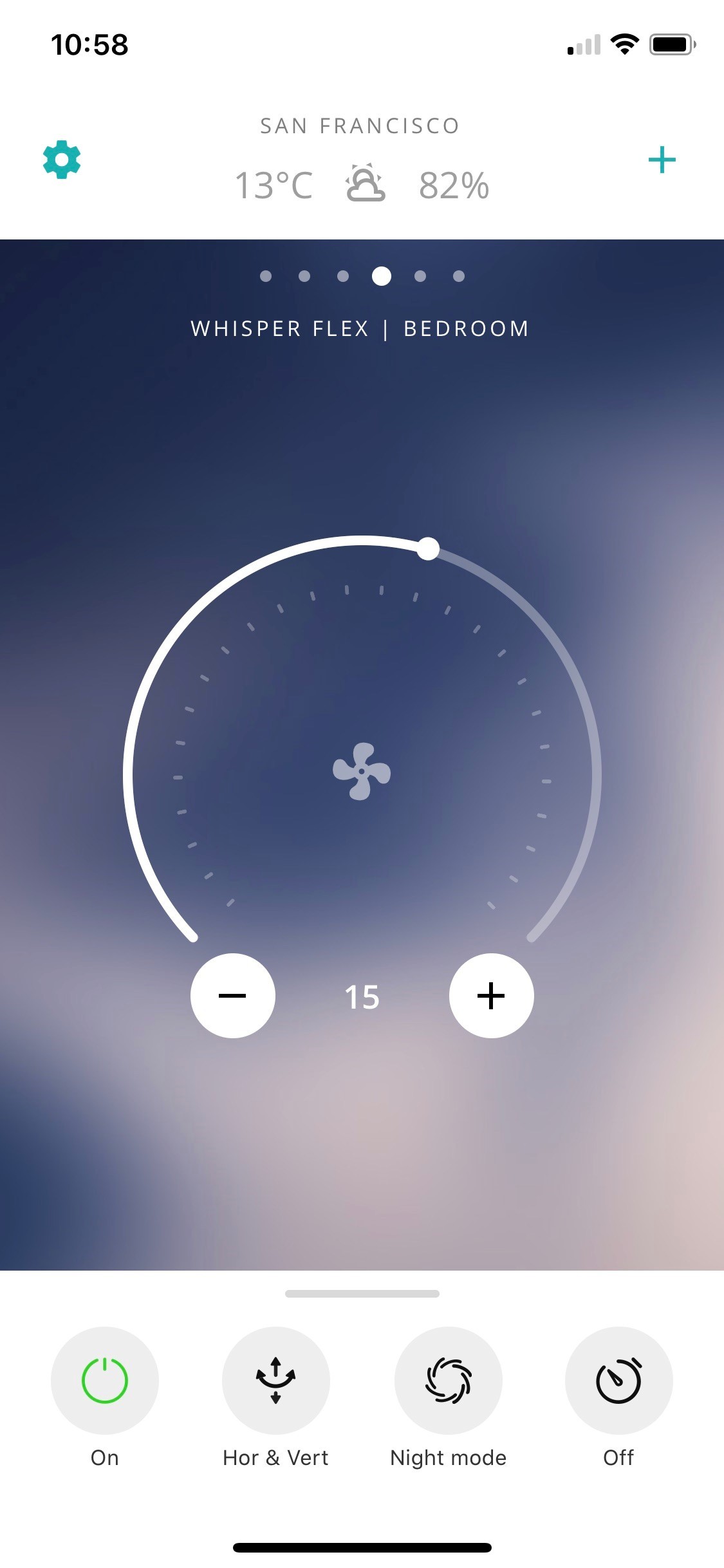
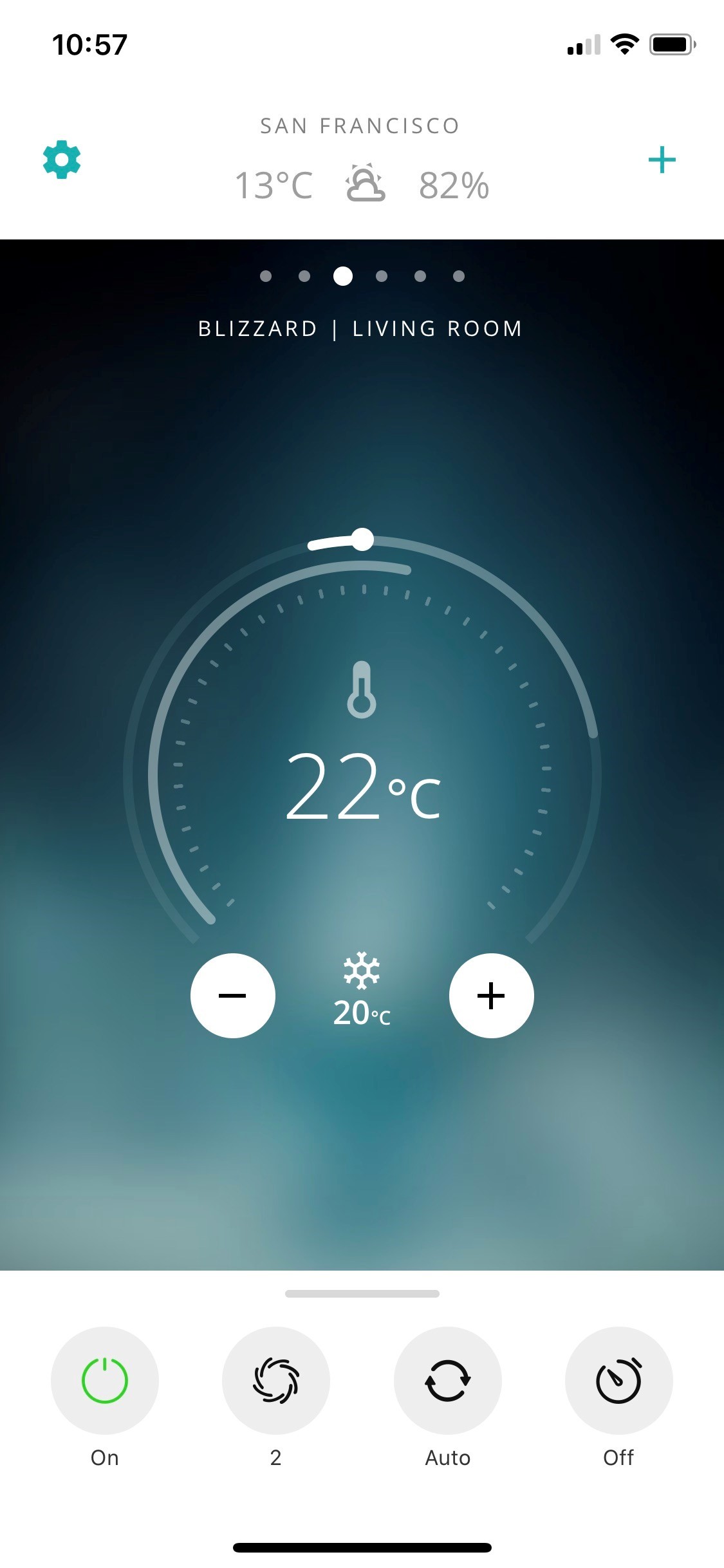
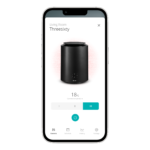
The new Duux app allows users to take full control of their indoor air quality with their mobile device. In addition to using the app as a remote control for the device, it also monitors indoor air quality in real time and provides status updates on things like filter life and water tank level. Connect your device to Google Home or Alexa for hands-free voice control. In October 2019, the first smart products will be introduced, humidifier Beam and air purifier Tube. According to year Summer, also the popular products Whisper Flex and Blizzard will also be equipped with a WiFi chip! The app is now available on iOS and Android.
Do you want to see what the app looks like? Take a look at the screenshots below of different interfaces.
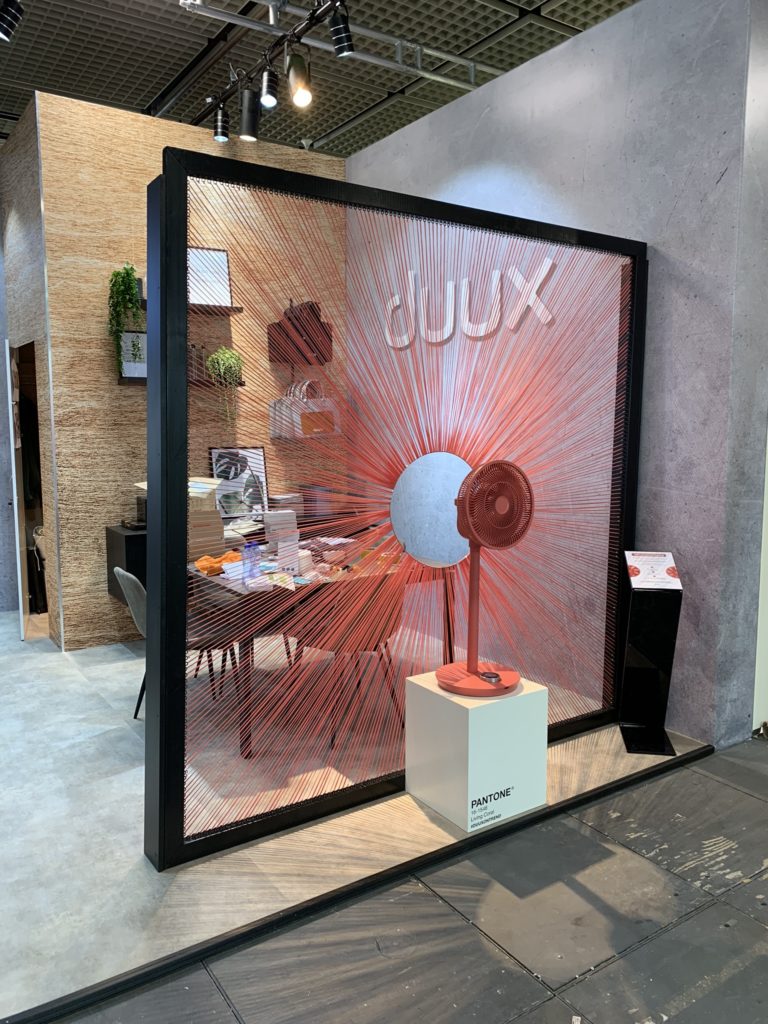
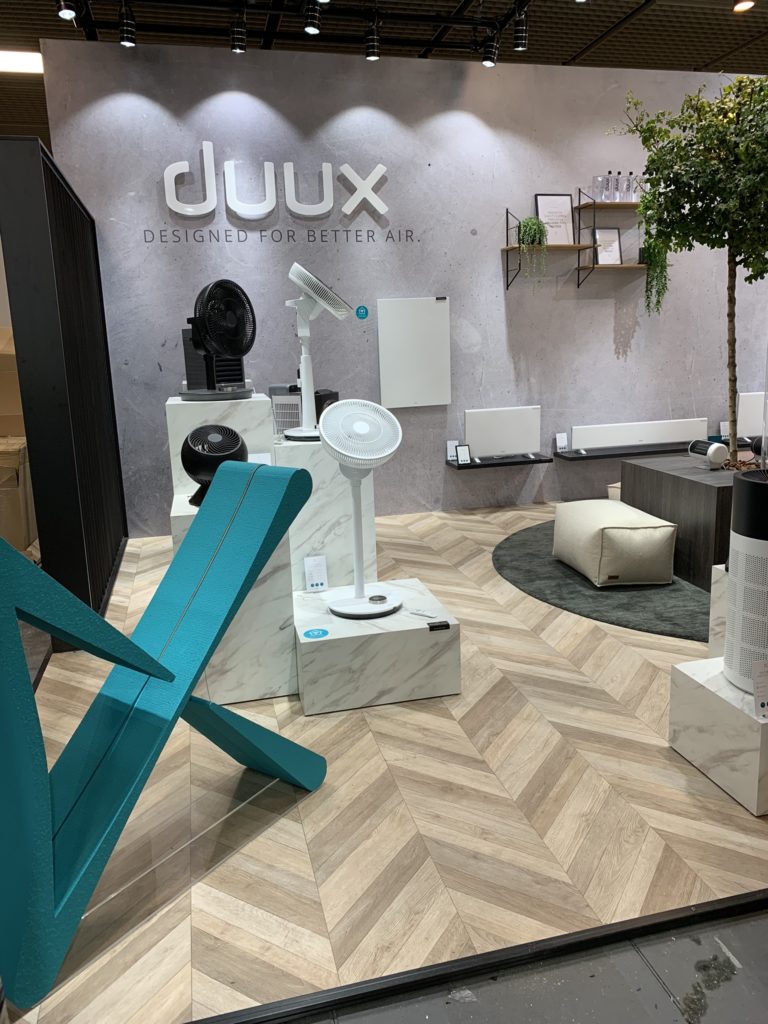
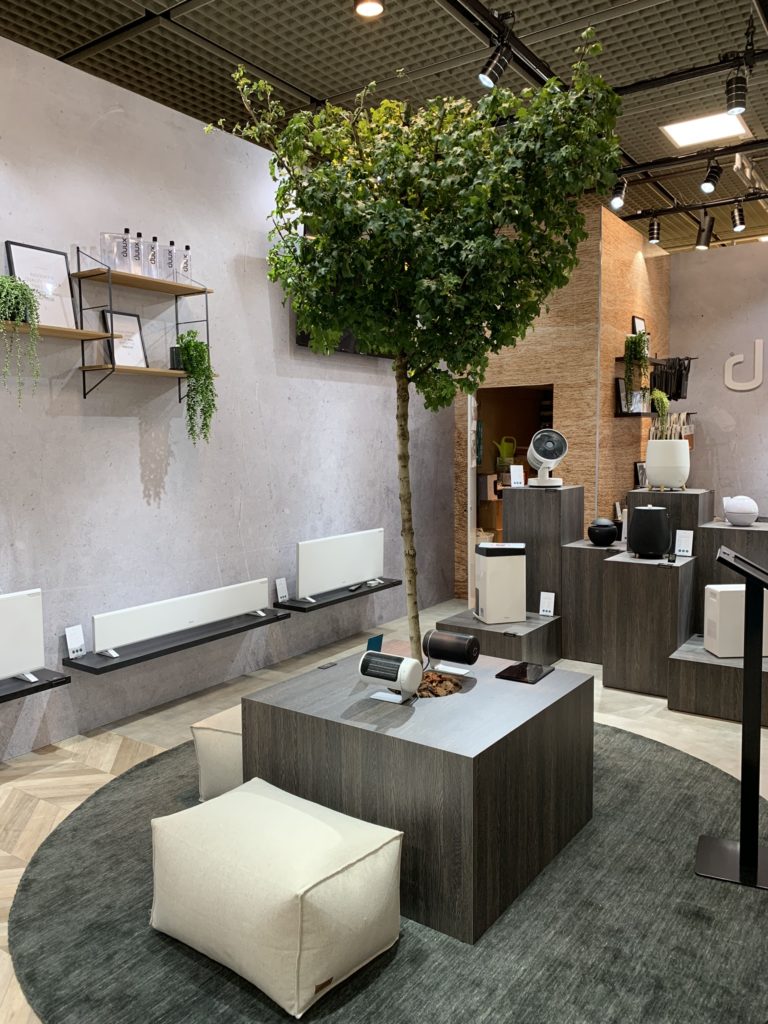
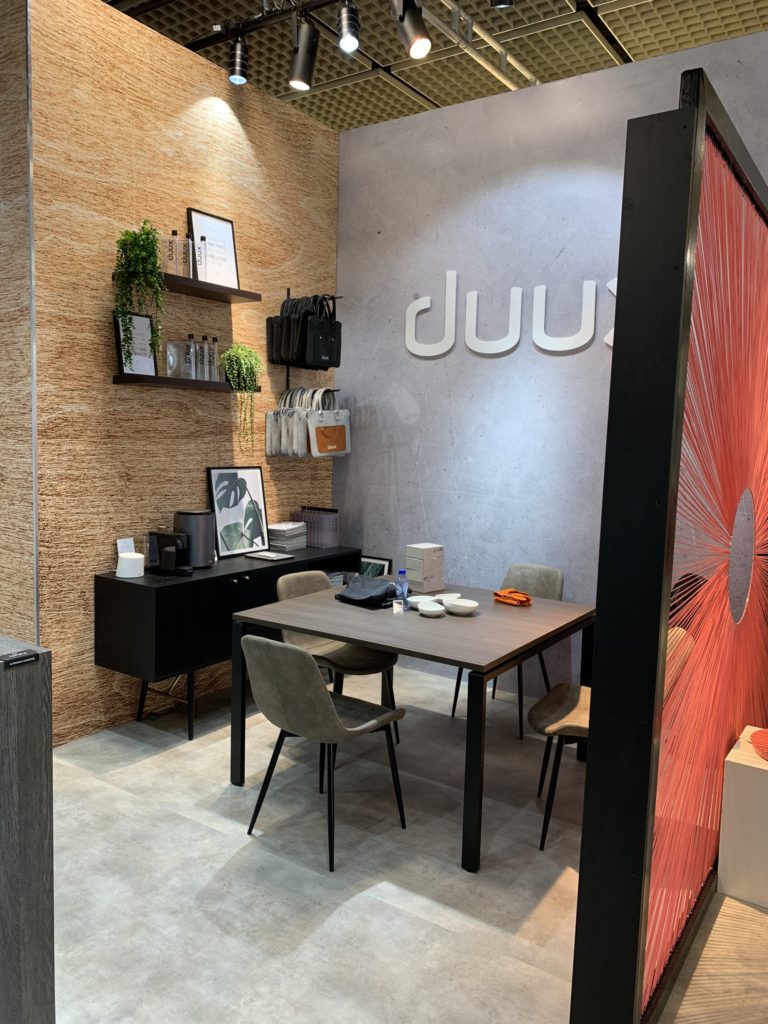
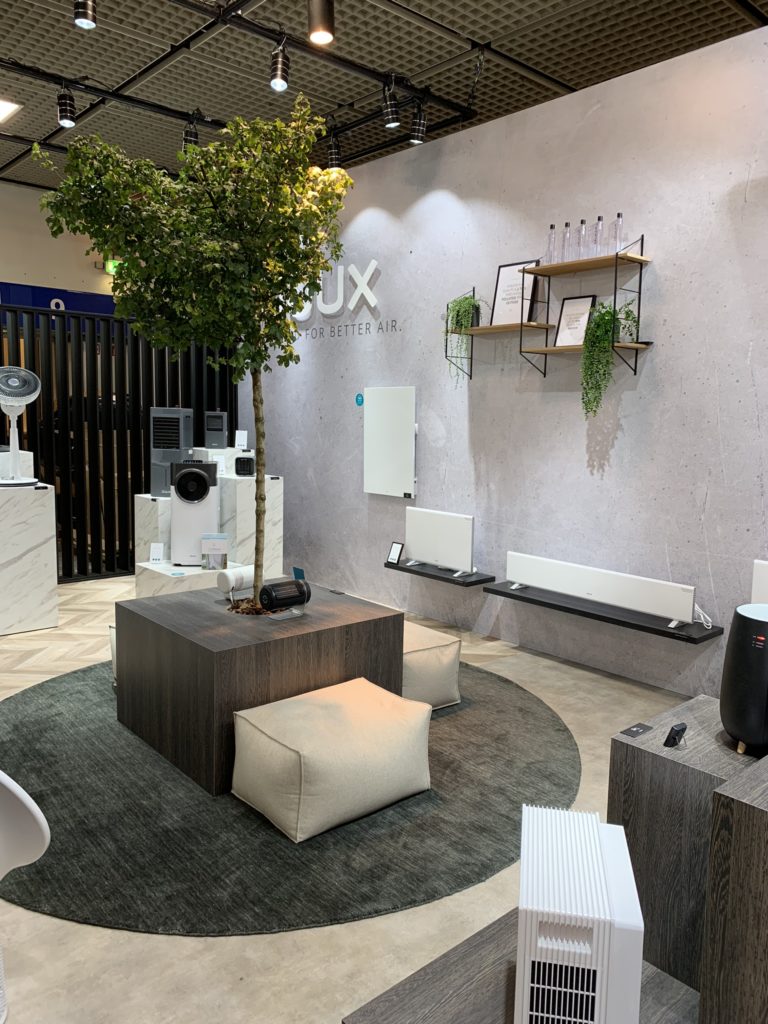
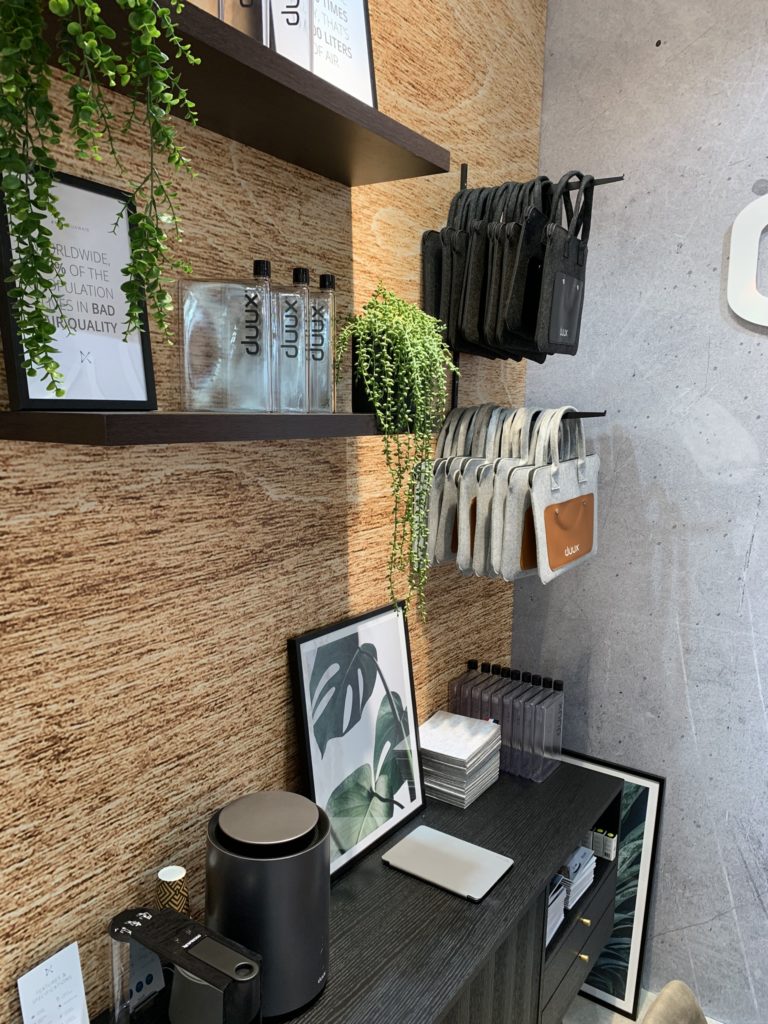
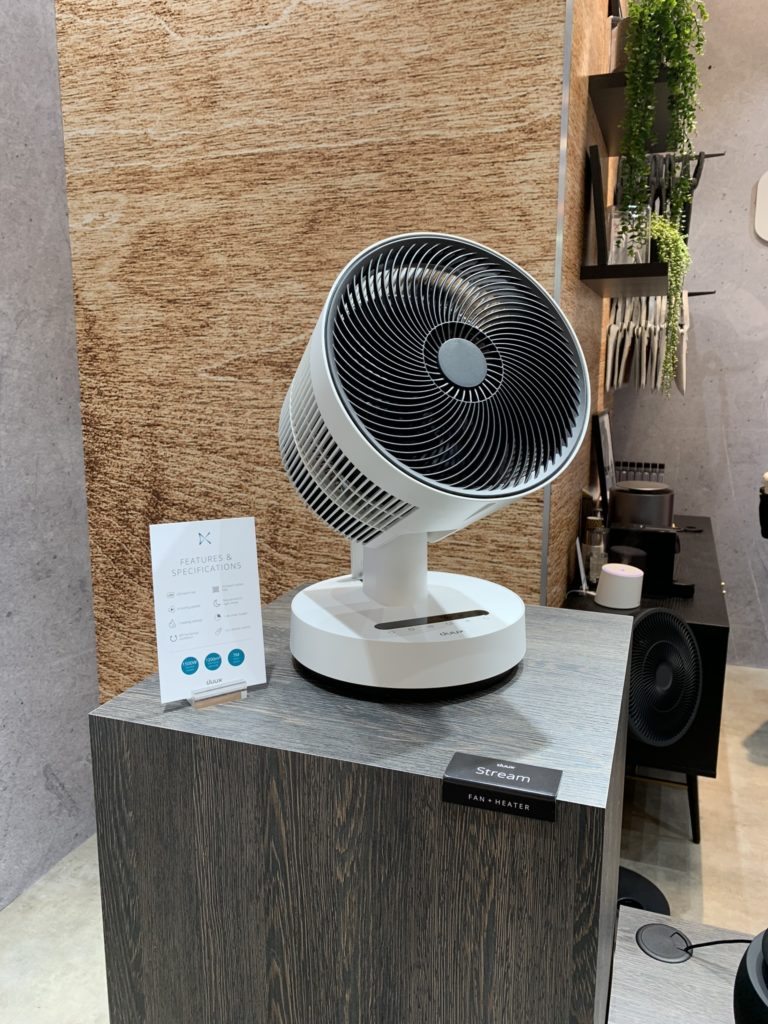
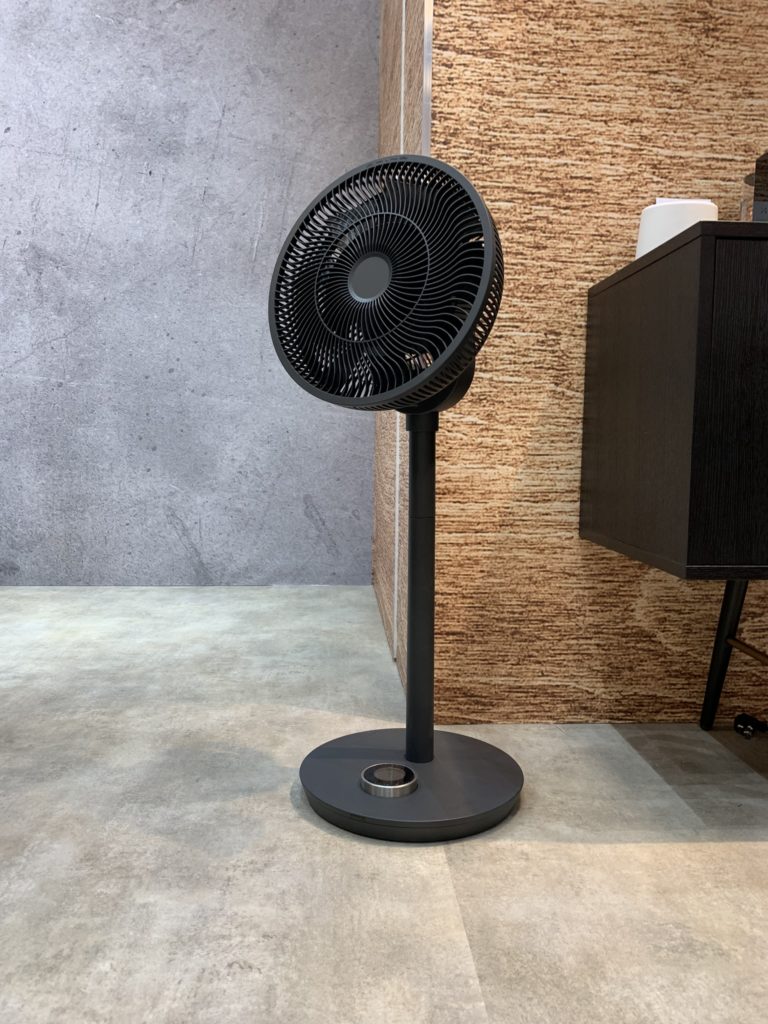
IFA 2019 was a great success for Duux. The leading electronics trade fair in Berlin was the stage for our latest product launches. With no less than 6 new product introductions for the upcoming winter season, we are even better represented in all categories of home air treatment. Did you not see us at IFA? Experience the feeling of the fair in the photo report below.
The Fattest Product is back at Coolblue! And this month the Duux Whisper Flex has been selected as the hottest product. Watch Dylan and Ferdinand take a closer look at our product:
The air quality in large parts of the Netherlands is not good, which is harmful to our health. This is mainly due to particulate matter, what exactly is it and what does it do for our health?
The study "My air, my school" by Greenpeace shows that the air quality in too many primary schools is worrying or downright bad. Of the 222 Belgian schools that voluntarily participated in the study, only seven schools recorded good air quality. In 76 schools, the air that children breathe is still acceptable, but in the remaining 143 schools surveyed, the air at the school gate is unhealthy for the children. This is also confirmed by Joeri Thijs of Greenpeace. Due to the higher emission of exhaust fumes, the concentration of nitrogen dioxide is also 13 percent higher during school hours than the annual average values.
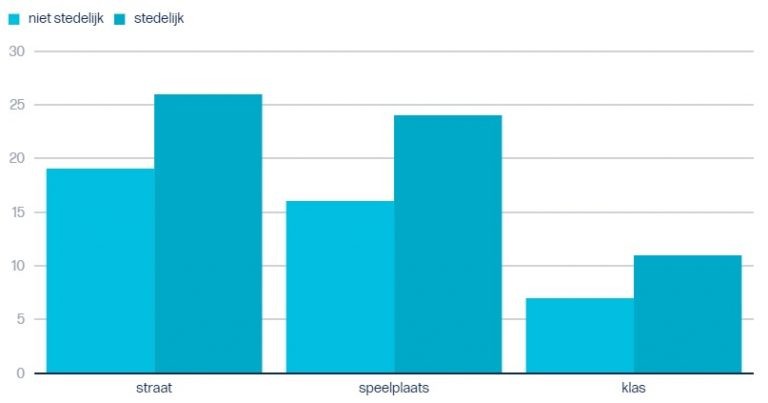
Between mid-November and mid-December 2017, four weeks in total, all participating schools measured nitrogen dioxide in the air, each at three locations: at the school gate, on the playground and in the classroom. Tubes, so-called "passive samplers", were hung at these three locations, a reliable measurement method that has already proven itself in practice in many countries. Nitrogen dioxide is an important indicator of air pollution, caused by diesel emissions in particular.
The 222 Belgian schools participated in the survey on the basis of interest, without further selection. It therefore makes little sense to make comparisons between different regions or provinces on the basis of the measurement results.
Of the participating schools, 64% come from Flanders, 17% from Brussels and 19% from Wallonia. The report does not contain individual results from the schools, but each participating school received the measurement results and personalised recommendations.
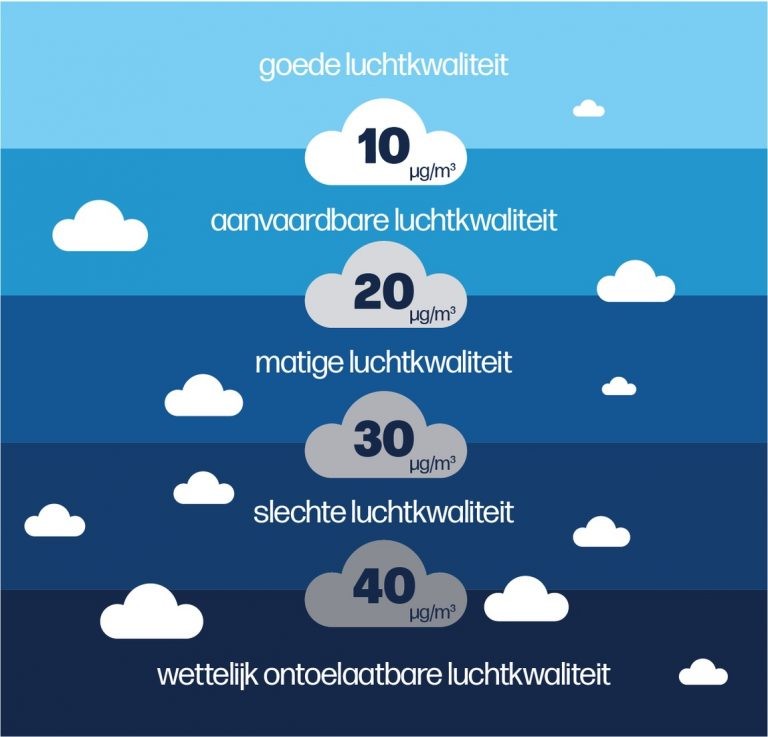
The concentration of nitrogen dioxide is expressed in micrograms per cubic metre (μg/m³). The European limit value is 40 micrograms per cubic metre, but because epidemiological studies show that there are effects on health even at lower concentrations, and because this study concerns children, Greenpeace is considering a maximum limit of 20 micrograms of nitrogen dioxide per cubic metre.
Annual average emissions of NO2
"Children are more vulnerable and much more sensitive to the negative health effects of air pollution because their bodies are still in full development," says Joeri Thijs. "Because they are smaller, they also breathe proportionally more unhealthy air than an adult person".
"Children are particularly vulnerable to air pollution"
"Children who are more likely to be in an unhealthy environment are at greater risk of asthma, allergies, lung infections and cancer, among other things. Air pollution in the classroom also leads to more learning disabilities and concentration problems".
Only seven schools have good outdoor air quality
As the European limit values for nitrogen dioxide are based on an annual average, the measurement results of November and December last year were also converted into annual average values.
In 29 schools this concentration is between 30 μg/m3 and 40 μg/m3 , which still means high exposure to poor air quality. At 101 schools a moderate air quality was measured, and at 76 schools an acceptable air quality was measured. Good outdoor air quality was measured in only seven schools.
In more than half of the schools the concentration on the playground is too high: between 20 μg/m3 and 40 μg/m3. These concentrations are too high for a playground, because playing children are more active and breathe more intensively.
The concentration of nitrogen dioxide in the classroom is often relatively low, even when the values at the school gate and on the playground are quite high. This has everything to do with the ventilation system.
More pollution during school hours
Annual mean values are of course much less representative for different times of day: in the weekend and at night the values of nitrogen dioxide in the school environment are much lower, because there is less traffic. But children are at school between about 8.30 a.m. and 4 p.m..
Based on the annual average nitrogen dioxide concentrations of 68 official measuring stations, Greenpeace has calculated the concentration of nitrogen dioxide to which children are exposed during school hours. And what turns out? During school hours the concentration is 13 percent higher.
Effect of the ventilation system
Some schools work with a mechanical ventilation system, which means "forced" ventilation. Schools without such a mechanical ventilation system ventilate in a natural way, for example by opening windows or doors.
Greenpeace has found that the concentration of nitrogen dioxide in the classroom is higher with mechanical ventilation. This effect is most visible in schools in an urban environment, where the nitrogen dioxide concentration in the outside air is already quite high. Continuous refreshing with the same polluted outside air increases the concentration of nitrogen dioxide in the classroom, even when ventilated.
"The schools are facing a dilemma here," says Joeri Thijs. "Because less ventilation doesn't always mean better air quality in the classroom. Classroom ventilation remains important to remove the carbon dioxide that is exhaled by the teacher and pupils. Too high CO2 values can lead to loss of concentration".
Countryside versus city
Of the 222 schools examined, 119 are in urban areas and 103 are in non-urban areas. In urban areas the concentration of nitrogen dioxide is significantly higher than in schools in rural areas.
The full report of the study 'My sky, my school' and also the list of participating schools can be found on the website of Greenpeace.
The air quality in 1 in 7 Dutch houses is insufficient for most of the day due to particulate matter. This is evident from the first results of a study commissioned by the Longfonds.
"Too much particulate matter, insufficient ventilation, moisture problems and mould do not appear so harmful at first glance, but can lead to fatigue, shortness of breath, respiratory infections and long-term lung diseases such as asthma and COPD".
The research is carried out by Blauw Research among Dutch households. A special sensor is used to measure the content of CO2, particulate matter (PM2.5), humidity and temperature over a period of nine months. The participants in the study have also completed questionnaires.
in the evening
Increased concentrations of particulate matter have been measured in almost all houses. This happens especially in the early evening. Fine dust particles also come in from the outside. Particulate matter is a collective term for all kinds of floating minuscule particles, which can penetrate deep into the lungs. In the house the particles are released by, among other things, baking and roasting, burning candles or the fireplace. The measurements also show that the concentrations of CO2 increase during the evening, when most residents are at home. In 1 in 10 houses, the recommended values are even exceeded for more than a quarter of the day.
Large-scale research
Indoor air expert Froukje van Dijken of BBA Indoor Environment is not surprised by the results: "We know from previous research that indoor air quality in homes often leaves much to be desired. That is why it is good and important that large-scale research is now being carried out into ways of increasing residents' awareness of indoor air quality".
Health complaints
Too much particulate matter, insufficient ventilation, moisture problems and mould do not seem so harmful at first glance, but can lead to fatigue, shortness of breath, respiratory infections and long-term pulmonary diseases such as asthma and COPD. Michael Rutgers: "People spend more than 20 hours of their time indoors. It's important that the air there is healthy."
Majority unconscious
According to the researchers, increased concentrations of particulate matter have been measured in almost all houses. "Many Dutch people do not know that they breathe polluted air in their homes and that this can lead to health complaints." It appears that 90% of households had never studied indoor air quality. "Previously I had no idea about indoor air quality. Now with the sensor I see that cooking has an enormous influence on that air quality. That really surprised me", says participant Ad Brenters. The next phase of the study will look at whether insight into indoor air quality also leads to residents taking measures to make the indoor air healthier.
Source: ANP
Welcome to My Rewards
Become a Member
Join our loyalty program to unlock exclusive perks and rewards.
 Free shipping from €20 within the Netherlands
 Same day dispatch on orders before 22:00
 Free returns within 14 days





















 Login
Login Service